Key Guidelines for Trust Distribution Minutes
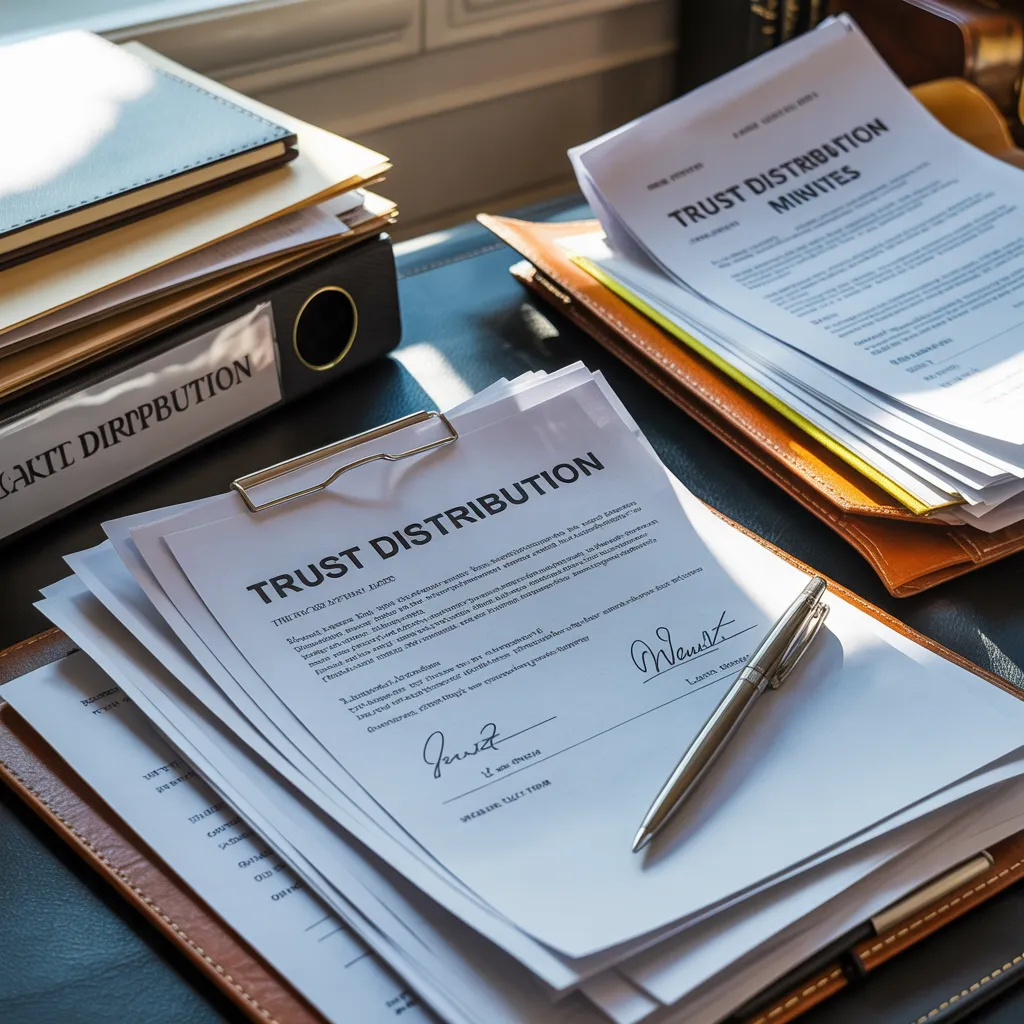
Trust distribution minutes serve a vital role in proficient trust management. They work as a documented record of conclusions made about asset distributions and maintain transparency among stakeholders. A intelligently designed approach not only specifies the allocation process but also fosters integrity. However, many trustees fail to address crucial practices that could enhance these minutes. Appreciating these premier methodologies can greatly determine the effectiveness of trust oversight and the satisfaction of beneficiary parties. What are these essential practices?
Why Trust Distribution Records Matter: Key Benefits for Trust Administrators
Trust distribution minutes might seem to be a simple routine requirement, yet they provide key roles for trustees. These minutes represent official records setting forth decisions made with respect to distributions, promoting transparency and accountability. By preserving the reasoning behind each distribution, trustees can defend themselves from potential disputes or legal challenges in the future.
Furthermore, trust distribution notes facilitate correspondence among beneficiaries and trustees, promoting trust and perception. They supply a clear description of the trust's financial status and distribution rationale, which can aid in managing beneficiary desires.
Additionally, detailed minutes stand as a reference point for future decisions, allowing trustees to maintain alignment in their undertakings. Ultimately, the meticulous recording of these minutes furthers sustaining fiduciary responsibilities, reinforcing the integrity of the trust governance. In this way, abandoning this approach can lead to miscommunications and issues that could have been easily avoided.
Key Components of Trust Distribution Minutes
The principal aspects of trust distribution minutes are vital for advancing effective management and accountability. Necessary meeting members must to be clearly noted, and comprehensive distribution guidelines establish a framework for decisions. Additionally, clear documentation methods are essential for maintaining reliable records and supporting later reference.
Essential Meeting Members
Productive trust distribution meetings copyright on the attendance of key participants who enable thoughtful choices. Primary participants include the trust custodian, who oversees the distribution process, and beneficiaries, whose observations provides essential insights. Legal counsel are essential in ensuring compliance with applicable statutes, while financial experts offer analysis on the trust's financial stewardship and distribution impact. Additionally, any co-trustees should be participating to ensure accountability and collaborative decision-making. Concerned parties might feature family members or representatives championing the beneficiaries' interests. Each participant's particular viewpoint enhances the richness of dialogue, ensuring that all significant considerations are weighed, ultimately producing fair and equitable trust distributions.
Complete Flow Regulations
Creating well-defined distribution guidelines is vital for successful beneficiary distribution sessions. These guidelines should outline the standards for distributions, encompassing qualification requirements and the specific reasons for which funds may be allocated. It is crucial to establish the decision-making process, detailing who has the power to authorize distributions and how determinations will be conveyed to beneficiaries. Additionally, rules should cover the regularity of distributions, guaranteeing that recipients have a clear comprehension of when they can anticipate to obtain money. By offering a organized system, these procedures help reduce misunderstandings and guarantee that allocations correspond with the trust's goals. Adhering to these standards promotes transparency and accountability among trustees and recipients as well.

Straightforward Document Management Approaches
Thorough and careful documentation demonstrates indispensable for maintaining clarity in trust distribution meetings. Clear procedural approaches should list the date, time, and location of the meeting, as well as a list of attendees. Each trust distribution discussed must be documented with granular details, including the amount distributed, the recipient, and the basis behind each decision. Additionally, any agreements or reservations raised during the meeting should be recorded to offer a complete assessment of the discussions. It is also paramount to establish action items with deadlines to guarantee responsibility. By implementing these documentation standards, trustees can construct a solid record that strengthens transparency and aids subsequent decision-making processes. This methodical approach ultimately reinforces the trust's administration and stakeholder trust.
Top Strategies for Drafting Strong Trust Distribution Minutes
Preparing effective trust distribution minutes demands clarity. A well-defined purpose statement ensures all parties understand the intent behind the distributions, while detailed details about the distributions themselves eliminate misunderstandings. These elements are vital for maintaining transparency and accountability in the trust administration process.
Transparent Intent Statement
A meticulously prepared purpose statement functions as the starting point for successful trust distribution minutes, providing transparency and clarity throughout the text. This statement should clearly outline the purposes of the trust distribution, offering background for all participants involved. By clearly declaring the purpose, it builds a structure that leads discussions and decisions, eliminating ambiguity. It should be comprehensive yet concise, demonstrating the objectives of the trust and the reasons behind the distributions. Including a purpose statement not only builds transparency but also improves accountability among trustees and beneficiaries. A unambiguous purpose statement lays the groundwork for the meeting, empowering participants to match their contributions with the overarching objectives of the trust, ultimately resulting in more productive outcomes.
Accurate Distribution Details
Clear and accurate distribution valuable guide details are crucial for proper trust distribution minutes. These details should contain the names and relationships of beneficiaries, specific amounts or percentages to be distributed, and the date of distribution. Accurate records prevent misunderstandings and disputes, making certain all parties are informed about their entitlements. Additionally, it is advisable to reference the trust document to validate the distribution decisions made. Each entry should be dated and signed by relevant parties to enhance accountability. Implementing a structured format can support clarity, allowing easy reference in the future. By adhering to these practices, trustees can copyright transparency, fostering trust among beneficiaries while safeguarding against potential legal challenges. Accurate documentation bolsters the integrity of the trust administration process.
Preserving and Updating Trust Distribution Records: Best Practices
Strategic management of trust distribution records is vital for guaranteeing transparency and compliance. Routinely updating these records is crucial to reflect any changes in distribution decisions, beneficiary information, or legal requirements. Developing a systematic plan for reviewing and revising records helps copyright accuracy and relevance.
Utilizing digital tools can improve record-keeping efficiency, enabling simple access and retrieval of information. Secure storage solutions, both manual and digital, should be employed to safeguard sensitive data from unauthorized access.
Additionally, documentation should be well-structured and transparent, with each entry offering adequate detail to support the decisions made. This includes noting the date of distributions, amounts, and the reasoning behind each decision.
Instructing staff involved in trust management on industry standards ensures consistency and minimizes the risk of mistakes. By following these guidelines, fiduciaries can copyright their legal obligations successfully.
Prevent These Common Problems in Trust Documentation
Handling trust papers requires vigilance to avoid common pitfalls that can weaken its integrity. One usual mistake is neglecting to document decisions clearly and promptly. Inadequate records might lead to misunderstandings and disputes among beneficiaries. In addition, inconsistent terminology can cause confusion; using exact, uniform language is important for clarity. Another frequent error is failing to include all relevant parties in discussions, potentially resulting in insufficient records and reduced transparency.
Additionally, disregarding legal requirements or updates in trust law can jeopardize the trust's legitimacy. Neglecting to regularly examine and modify documents may also contribute to outdated or inaccurate information. Ultimately, not providing sufficient context for decisions can impede future trustees' understanding of the trust's intent. By steering clear of these errors, trustees can ensure that trust documentation remains robust and reliable, thereby safeguarding the welfare of every stakeholder.
Enhancing Dialogue Among Recipients Through Meeting Records
Documenting meeting minutes acts as an important instrument for facilitating communication flow among beneficiaries in a trust. By capturing the exchanges, decisions, and action items, minutes supply a unambiguous record that all parties can consult. This practice ensures that beneficiaries remain knowledgeable about the trust's status and the rationale behind key decisions.
Effective minutes can promote transparency, decreasing misunderstandings and possible conflicts among parties. By sharing these records quickly after sessions, all parties can remain in sync on expectations and responsibilities. Additionally, well-structured minutes encourage participation, enabling beneficiaries to feel involved in the trust's administration.
Consistently refreshing and sharing these documents not only promotes accountability but also functions as a historical archive that beneficiaries can consult in the future. Ultimately, enhancing communication through minutes is fundamental to preserving confidence and collaboration among beneficiaries, facilitating a smoother distribution process.
Frequently Inquired Questions
How Consistently Should Trust Distribution Minutes Be Revised?
Trust distribution minutes should be updated regularly, ideally after each distribution or major determination, to guarantee accurate records. Consistency in record-keeping promotes openness and helps preserve confidence among beneficiaries and trustees throughout the process.
May Beneficiaries Acquire Documents of Trust Distribution Minutes?
Beneficiaries may seek copies of trust distribution minutes, since openness is usually supported within trust management. However, the ability to procure these documents might copyright on the specific terms outlined in the trust agreement.
What Happens if Minutes Are Not Captured?
Should trust record documentation remain unrecorded, this can generate confusion among beneficiaries, likely distribution disagreements, and complications in verifying conformity with trust guidelines, ultimately threatening the trust's soundness and administrative function.
What Compliance Obligations Govern Trust Distribution Minutes?
Yes, legal requirements for trust distribution minutes do exist, often differing by jurisdiction. Accurate records guarantees compliance with regulations and safeguards trustees from liability, reinforcing the importance of maintaining accurate and thorough records during trust distributions.
Who Is Answerable for Producing the Minutes?
A fiduciary typically bears duty to draft the minutes. The person must accurately chronicle resolutions pertaining to trust payouts, ensuring compliance with legal requirements and maintaining clarity for beneficiaries and future review.