Key Guidelines for Trust Distribution Minutes
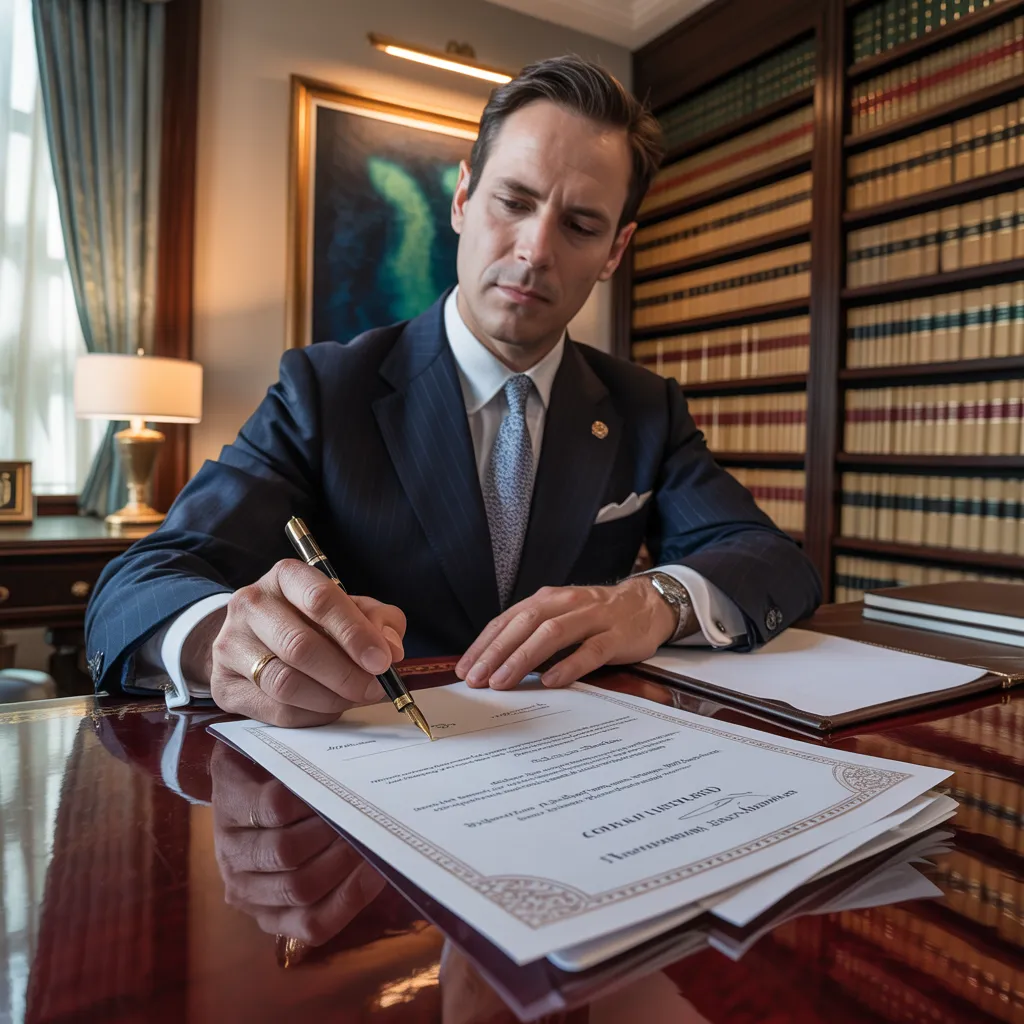
Trust distribution minutes serve as a vital component in effective trust administration. They function as a formal documentation of decisions made regarding asset distributions and ensure openness among interested parties. A properly organized approach not only clarifies the allocation procedure but also fosters accountability. Nevertheless, many fiduciaries overlook key procedures that could improve these minutes. Understanding these optimal approaches can significantly impact the effectiveness of trust administration and the contentment of recipients. What are these critical procedures?
Why Trust Distribution Minutes Are Important: Key Benefits for Trust Administrators
Though trust distribution minutes may appear to be nothing more than a standard procedure, they offer indispensable functions for trustees. These minutes function as official records describing decisions made about distributions, supporting transparency and accountability. By documenting the reasoning behind each distribution, trustees can protect themselves from potential disputes or legal challenges in the future.
Furthermore, trust distribution notes facilitate communication among beneficiaries and trustees, promoting reliability and perception. They provide a explicit description of the trust's financial circumstances and distribution basis, which can aid in handling beneficiary desires.
Furthermore, comprehensive minutes serve as a benchmark for upcoming choices, enabling trustees to maintain uniformity in their actions. In the end, the meticulous recording of these minutes supports upholding fiduciary responsibilities, reinforcing the integrity of the trust management. In this manner, neglecting this practice can lead to confusion and difficulties that could have been easily avoided.
Critical Features of Trust Distribution Minutes
The core components of trust distribution minutes serve an important part in ensuring efficient administration and transparency. Key session participants should be distinctly recognized, while detailed dissemination guidelines provide a framework for making decisions. Additionally, explicit documentation procedures are essential for preserving accurate records and facilitating subsequent reference.
Essential Conference Members
Effective trust distribution meetings rely on the presence of key participants who support sound judgments. Primary participants include the trust administrator, who manages the distribution process, and recipients, whose feedback provides vital information. Legal advisors are instrumental in ensuring compliance with relevant laws and regulations, while investment professionals offer evaluation on the trust's asset management and distribution effects. Additionally, any co-trustees should be involved to maintain openness and joint deliberation. Interested parties may also include family members or representatives advocating for the beneficiaries' interests. Each participant's unique perspective improves the quality of discussions, ensuring that all important considerations are considered, ultimately leading to fair and equitable trust distributions.
Thorough Spread Directions
Developing precise allocation standards is essential for well-executed beneficiary distribution meetings. These guidelines should outline the conditions for allocations, featuring suitability and the specific purposes for which capital may be assigned. It is vital to specify the decision-making process, detailing who has the mandate to sanction distributions and how resolutions will be transmitted to beneficiaries. Furthermore, guidelines should attend to the frequency of payments, guaranteeing that beneficiaries have a clear grasp of when they can count on to access money. By providing a structured framework, these guidelines help lessen misunderstandings and confirm that distributions align the trust's objectives. Adhering to these principles encourages openness and accountability among trustees and beneficiaries similarly.

Transparent Documentation Guidelines
Thorough and meticulous documentation proves indispensable for ensuring clarity in trust distribution meetings. Clear procedural approaches should list the date, time, and location of the meeting, as well as a list of attendees. Each trust distribution discussed must be documented with granular details, including the amount distributed, the recipient, and the basis behind each decision. Additionally, any understandings or concerns raised during the meeting should be captured to give a full account of the discussions. It is also paramount to set responsibilities with deadlines to guarantee accountability. By implementing these record-keeping practices, trustees can construct a dependable record that bolsters transparency and aids subsequent decision-making processes. This methodical approach ultimately reinforces the governance structure and stakeholder trust.
Important Guidelines for Constructing Comprehensive Trust Distribution Minutes
Preparing effective trust distribution minutes demands precision. A well-defined purpose statement ensures all parties understand the intent behind the distributions, while accurate details about the distributions themselves prevent misunderstandings. These elements are fundamental for upholding transparency and responsibility in the trust administration process.
Clear Objective Declaration
A clear purpose statement serves as the starting point for effective trust distribution minutes, ensuring transparency and focus throughout the file. This statement should directly outline the aims of the trust distribution, supplying context for all participants involved. By explicitly stating the purpose, it forms a framework that directs discussions and decisions, eliminating ambiguity. It should be to the point yet detailed, demonstrating the goals of the trust and the intentions behind the distributions. Including a purpose statement not only encourages transparency but also improves accountability among trustees and beneficiaries. A explicit purpose statement creates the mood for the meeting, allowing participants to coordinate their contributions with the primary objectives of the trust, ultimately causing more productive outcomes.
Accurate Distribution Details
Clear and precise distribution details are key for effective trust distribution minutes. These details should comprise the names and relationships of beneficiaries, specific amounts or percentages to be distributed, and the date of distribution. Accurate records stop misunderstandings and disputes, ensuring all parties are informed about their entitlements. Moreover, it is recommended to reference the trust document to validate the distribution decisions made. Each entry should be dated and signed by relevant parties to strengthen accountability. Incorporating a structured format can help clarity, enabling easy reference in the future. By adhering to these practices, trustees can maintain transparency, fostering trust among beneficiaries while guarding against potential legal challenges. Accurate documentation solidifies the integrity of the trust administration process.
Maintaining and Refreshing Trust Distribution Records: Best Strategies
Strategic management of trust distribution records is important for guaranteeing transparency and compliance. Routinely refreshing these records is crucial to reflect any changes in distribution decisions, beneficiary information, or legal requirements. Developing a structured schedule for assessing and updating records helps maintain accuracy and relevance.
Employing digital tools can improve the efficiency of record-keeping, providing quick access and retrieval of information. Secure storage solutions, both physical and electronic, are necessary to protect sensitive data from unauthorized access.
Furthermore, records ought to be well-structured and transparent, with each entry providing adequate detail to support the decisions made. This includes recording the date of distributions, amounts, and the reasoning behind each decision.
Instructing personnel engaged in trust management on industry standards ensures uniformity and reduces the likelihood of mistakes. By following these protocols, trustees can copyright their fiduciary responsibilities successfully.
Steer Clear of These Common Mistakes in Trust Documentation
Steering trust paperwork requires carefulness to avoid typical mistakes that can undermine its reliability. One prevalent mistake is the failure to document decisions transparently and promptly. Inadequate records can lead to confusion and disputes among beneficiaries. Additionally, unclear terminology can create confusion; using exact, consistent language is essential for clarity. Another common error is neglecting to include all relevant parties in discussions, which can result in incomplete records and a lack of transparency.
Moreover, disregarding legal requirements or updates in trust law can threaten the trust's enforceability. Skipping regular reviews and document updates may also produce outdated or inaccurate information. Lastly, declining to furnish adequate rationale for decisions can obstruct future trustees' understanding of the trust's intent. By sidestepping these errors, trustees can verify that trust documents maintain strength and dependability, thereby defending the stakes of every party involved.
Boosting Interaction Among Members Through Session Notes
Documenting meeting minutes functions as an essential instrument for enhancing communication among beneficiaries in a trust. By capturing the discussions, outcomes, and action items, minutes supply a unambiguous record associated article that all parties can consult. This practice guarantees that beneficiaries remain knowledgeable about the trust's status and the rationale behind fundamental decisions.
Effective documentation can encourage transparency, decreasing confusion and potential disputes among beneficiaries. By sharing these records quickly after gatherings, all beneficiaries can remain in sync on expectations and duties. Additionally, well-structured minutes foster engagement, enabling parties to feel included in the trust's management.
Continuously refreshing and sharing these documents not only reinforces responsibility but also creates a historical archive that beneficiaries can consult in the future. Ultimately, improving communication through minutes is important for fostering trust and cooperation among beneficiaries, optimizing a smoother distribution process.
Frequently Posed Questions
How Regularly Should trust distribution documentation Be Changed?
Trust distribution minutes should be revised on a consistent basis, preferably after each distribution or significant decision, to ensure accurate records. Consistency in documentation promotes openness and helps maintain trust among beneficiaries and trustees throughout the process.
Are Beneficiaries Able to Request Copies of Trust Distribution Minutes?
Beneficiaries may request copies of trust distribution minutes, since transparency is generally encouraged within trust management. However, the capacity to secure these documents might be contingent upon the exact conditions contained in the trust agreement.
What Occurs if Minutes Are Not Recorded?
When trust distribution minutes are not appropriately recorded, it may cause beneficiary misunderstandings, potential disputes regarding distributions, and obstacles in verifying adherence to trust provisions, ultimately undermining the trust's operational integrity and management.
What Legal Requirements Govern Trust Distribution Minutes?
Yes, legal requirements for trust distribution minutes are in place, often differing by jurisdiction. Accurate records ensures compliance with regulations and safeguards trustees from liability, emphasizing the importance of maintaining accurate and thorough records during trust distributions.
Who Is Answerable for Documenting the Minutes?
The trustee is ordinarily charged with drafting the minutes. This party must correctly log decisions regarding trust distributions, verifying compliance with legal requirements and sustaining transparency for beneficiaries and future documentation.